Cultural Tapestry of Farewell: Traditions, Community, and Honor in Indian Farewell Rites
Wiki Article
Throughout the rich cultural regions of India, traditions associated with honoring an individual's passing reflect a deep commitment to social solidarity. From rural villages to major cultural hubs, these honorable ceremonial observances are rich with regional artistry, historical significance, and intricate social customs. Rather than focusing merely on loss, these practices establish a lasting connection, uniting relatives, honoring elders, and passing down timeless values. The initial hours of the ceremonial gathering are characterized by meticulous cultural preparation. Family members gather to perform traditional preparation rituals preserved within family lines. The individual is adorned in clean, elegant garments tailored to regional heritage and personal status. In many traditions, classic white attire is selected, symbolizing quiet peace, dignity, and cultural simplicity. Among various ethnic lineages, festive cultural cloths are used to mark a life full of accomplishment and honor. Fragrant floral arrangements play an irreplaceable role in these preparations. Vibrant arrangements of native blossoms are layered gracefully upon the resting platform. These floral decorations are far more than aesthetic adornments; they highlight the continuous beauty of life and family devotion. The delicate use of natural sandalwood, rosewater, and native herbs ensures an environment of supreme dignity, freshness, and cultural charm. A deeply moving and visually distinctive element of these traditional farewells is the organized neighborhood procession from the household to the local ceremonial grounds. Known across various regions as a procession of honor, this peaceful walk along shared streets transforms private grief into a shared community event. Neighbors, extended relatives, and acquaintances gather in front of the family home, wearing simple white traditional attire creating a peaceful, harmonious visual atmosphere. The rested individual is borne on a handmade platform assembled from natural materials, covered with decorative cloths and floral wreaths. As the procession moves through the streets, members of the community step forward to take turns carrying the frame upon their shoulders. This hands-on participation represents a meaningful tradition of communal respect, symbolizing that no family carries the weight of a farewell alone. In many regions, gentle instrumental music played on traditional flutes, drums, or bells guides the walkers, establishing a solemn and respectful mood that honors the individual's legacy within the public sphere. India's immense cultural diversity manifests clearly in the varied funeral customs observed across different geographical regions and ethnic groups. While core values of respect and community remain universal, the visual and artistic details differ wonderfully according to regional heritage and local ancestry. Once the initial rites conclude, Indian cultural heritage dictates a structured period of home-based remembrance, generally spanning ten to thirteen days. In this dedicated period, the domestic residence serves as a welcoming venue for guests arriving from nearby and far-off locations who drop in to share comfort and honor the family. Serving visitors during these days is a cherished cultural duty. Wholesome vegetarian dishes are cooked continuously to feed visiting neighbors, family, and travelers. This tradition of sharing meals fosters deep emotional connection, encourages the sharing of fond memories, while guaranteeing that the family receives active help and daily supplies from neighbors. The final day of the memorial period is celebrated with an extended neighborhood meal. Family elders share stories of the individual's achievements, wisdom, and character traits, passing down valuable life lessons to youth. Acts of charitable giving—including gifting garments to neighbors, funding local schools, or providing meals to the needy—are organized as a meaningful tribute, building a lasting legacy of kindness and civic care.
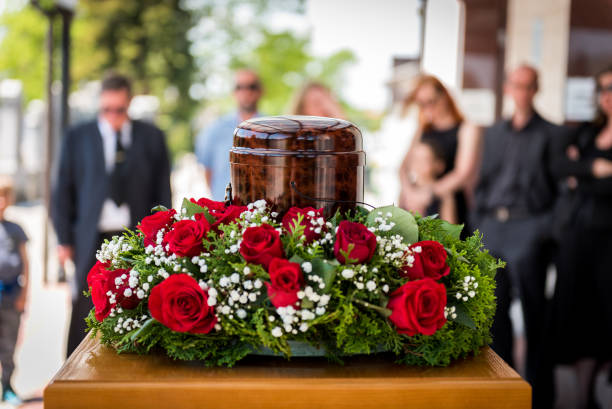
Peenya Crematorium Families across India handle these dignified moments with a unique blend of communal togetherness and structured ritualism. Whether in quiet country settlements or dense metropolitan districts, the collective gathering of relatives, neighbors, and friends forms the cornerstone of every ceremonial proceeding. This social tradition provides a supportive atmosphere where loved ones share comfort, honor lived memories, and preserve personal accomplishments.
Dignified Preparation and Family Care
Processions of Honor: Community Unity
Element
Traditional Medium
Community Role
Dress Code
Unadorned White Textiles
Symbolizes social equality, peace, and community unity.
Carrying Litter
Natural Bamboo and Rattan
Demonstrates local craft and eco-friendly design.
Floral Adornments
Fresh Marigolds, Lotus, and Roses
Represents honor, aesthetic beauty, and respect.
Herbal Preparations
Herbal Extracts and Rose Oils
Provides sensory elegance and traditional purification.
Regional Expressions of Honor
Kengeri Crematorium Regardless of whether the final rites use natural earthen placement or traditional fire settings, the practice remains deeply rooted in local philosophy of offering the individual back to nature's elements through practices that prioritize environmental respect and cultural grace.
Hospitality, Remembrance, and Social Continuity
Conclusion: An Enduring Legacy of Respect
Wilson Garden Electric Crematorium These subcontinental customs demonstrate a beautiful example of deep-seated hospitality, cultural elegance, and mutual care. By handling personal farewells with public grace and communal support, these practices highlight the power of family bonds and social networks. Through beautiful floral arrangements, white-clad processions, regional artistry, and generous hospitality, communities across India pay magnificent tribute to their elders while fortifying the enduring bonds of the community for generations to come.