Cultural Tapestry of Farewell: Cultural Traditions and Social Fabrics of Indian Funeral Customs
Wiki Article
Within the vibrant subcontinental heritage of India, customs dedicated to celebrating a completed life represent a profound expression of collective heritage. In every corner of the subcontinent, the rites dedicated to paying final respects demonstrate unmatched grace, historical roots, and mutual support. Rather than focusing merely on loss, these customs serve as a vital cultural bridge, reinforcing family bonds, strengthening neighborhood networks, and preserving ancestral etiquette. The initial hours of the ceremonial gathering are observed with attentive care and respect. Close relatives assemble to carry out customary washing and dressing that have been refined over centuries. The departed loved one is dressed in spotless traditional attire tailored to regional heritage and personal status. In many traditions, classic white attire is selected, symbolizing quiet peace, dignity, and cultural simplicity. Within specific regional groups, garments with decorative embroidery or regional dyes are used to mark a life full of accomplishment and honor. Fresh blossoms and natural garlands form a central element within these home observances. Vibrant arrangements of native blossoms are presented by family members with deep affection. These colorful arrangements represent more than mere visual beauty; they highlight the continuous beauty of life and family devotion. The delicate use of natural sandalwood, rosewater, and native herbs underscores the high level of respect, hygiene, and beauty present in the household. One of the most visually striking and culturally significant aspects in regional subcontinental customs is the solemn walk of honor from the household to the local ceremonial grounds. Understood as a public gesture of unity, this movement through public space transforms private grief into a shared community event. Fellow villagers and urban neighbors join together in front of the family home, garbed in white garments of respect creating a peaceful, harmonious visual atmosphere. The loved one rests upon a traditional litter made from natural bamboo, adorned with fresh green leaves, traditional woven textiles, and rich floral garlands. As the walk progresses toward the resting destination, neighbors exchange places to help carry the bamboo litter. This physical act of sharing the weight is a profound gesture of fellowship, proving that grief is met with shared strength. Across numerous localities, gentle instrumental music played on traditional flutes, drums, or bells guides the walkers, establishing a solemn and respectful mood that informs the local district of a completed life journey. India's immense cultural diversity manifests clearly within the distinct farewell practices found across states and communities. While core values of respect and community remain universal, the specific expressions vary dramatically according to regional heritage and local ancestry. After the main day of farewell, Indian cultural heritage dictates a structured period of home-based remembrance, observed over nearly two weeks. During this timeframe, the family home becomes an open sanctuary for guests arriving from nearby and far-off locations who arrive to offer support, food, and companionship. Serving visitors during these days is a cherished cultural duty. Freshly cooked vegetarian meals are made each day so every guest is comfortably welcomed and nourished. This practice of joint dining creates strong emotional bonds, encourages the sharing of fond memories, and ensures that the grieving household is fully supported with daily necessities by the broader social network. The conclusion of the primary formal gathering period features a generous community gathering. Senior relatives recount the person's life history, good deeds, and values, preserving family heritage for children and grandchildren. Acts of charitable giving—including gifting garments to neighbors, funding local schools, or providing meals to the needy—are carried out to celebrate the person's legacy, reinforcing the value of community service and social responsibility.
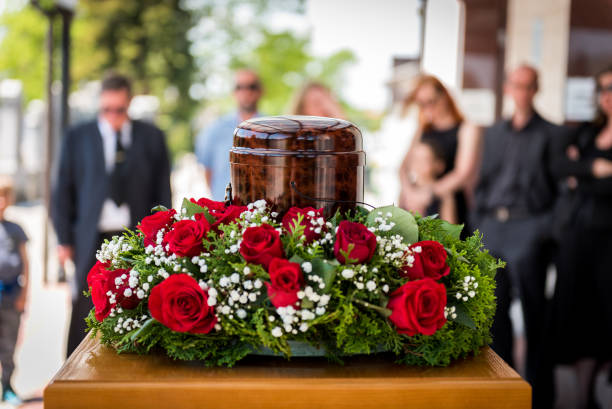
Kengeri Crematorium Families across India handle these dignified moments through a harmonious mix of joint effort and refined etiquette. From the vibrant rural villages to the bustling urban centers, the collective gathering of relatives, neighbors, and friends serves as the primary pillar of support. These observances provide a structured cultural framework allowing society to express gratitude, care for grieving households, and pass on oral histories.
The Aesthetics of Preparation and Family Devotion
Processions of Honor: Community Unity
Cultural Feature
Primary Material
Symbolic Value
Attire
Simple White Cotton Garments
Represents purity, equality, and shared grief.
Palanquin Frame
Woven Bamboo and Foliage
Shows natural elegance and traditional utility.
Garlands
Fresh Marigolds, Lotus, and Roses
Expresses high regard, warmth, and artistic beauty.
Natural Essences
Cooling Sandalwood and Rose Essence
Offers a fresh, dignified atmosphere.
Regional Variations and Cultural Diversity
Kallahalli Crematorium No matter if the community practices gentle earthen burial or ceremonial fire rites, the emphasis stays firmly placed on cultural values of restoring balance with the surrounding natural world through practices that prioritize environmental respect and cultural grace.
Gatherings of Remembrance and Community Care
Conclusion: An Enduring Legacy of Respect
Dead Body Transportation in Pune The funeral customs of India offer a rich tapestry in community togetherness, textile art, and social respect. Through turning a time of loss into an honorable display of community unity, these traditions showcase the strength of human connection and collective support. Through beautiful floral arrangements, white-clad processions, regional artistry, and generous hospitality, Indian culture honors the journey of the individual while fortifying the enduring bonds of the community for generations to come.